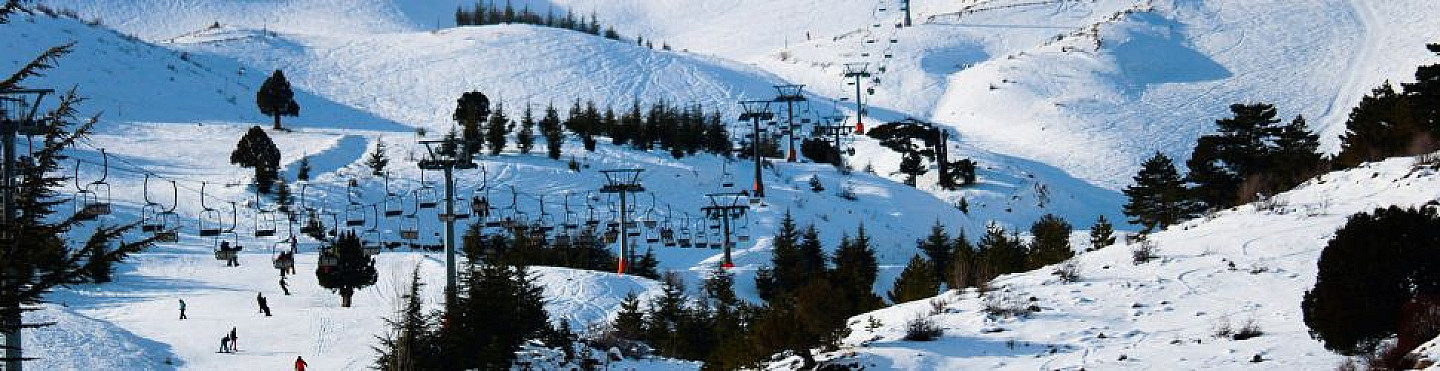
Location de ski à Chamonix : tout pour skier face au Mont-Blanc
Chamonix-Mont-Blanc (74400) is nestled at the head of the Arve Valley in Haute-Savoie, 88 km from Geneva and 15 km from the Italian border via the Mont-Blanc Tunnel. The birthplace of mountaineering, at an elevation of 1,035 m, the resort overlooks a ski area with 110 km of slopes, stretching from Le Brévent to Les Grands Montets. The Aiguille du Midi (3,842 m) and the Mer de Glace make it a legendary destination for ski rentals in Haute-Savoie. The 2026–2027 season is scheduled to run from November 28, 2026, to May 2, 2027. Here’s what you need to know to plan your trip: access, lift tickets, ski rentals, villages, activities, and top spots.
Skilead in Chamonix: What’s the latest?
Skilead, a network of independent ski rental shops that we call “tanières,” isn’t yet present in Chamonix, so online equipment reservations aren’t yet available on our website. You can already reserve your skis at our “tanières” in Chamrousse and Alpe d’Huez.
Are you an independent rental shop in the Chamonix Valley? Join the Skilead pack (details at the bottom of the page).
Why is Chamonix such a legendary resort?
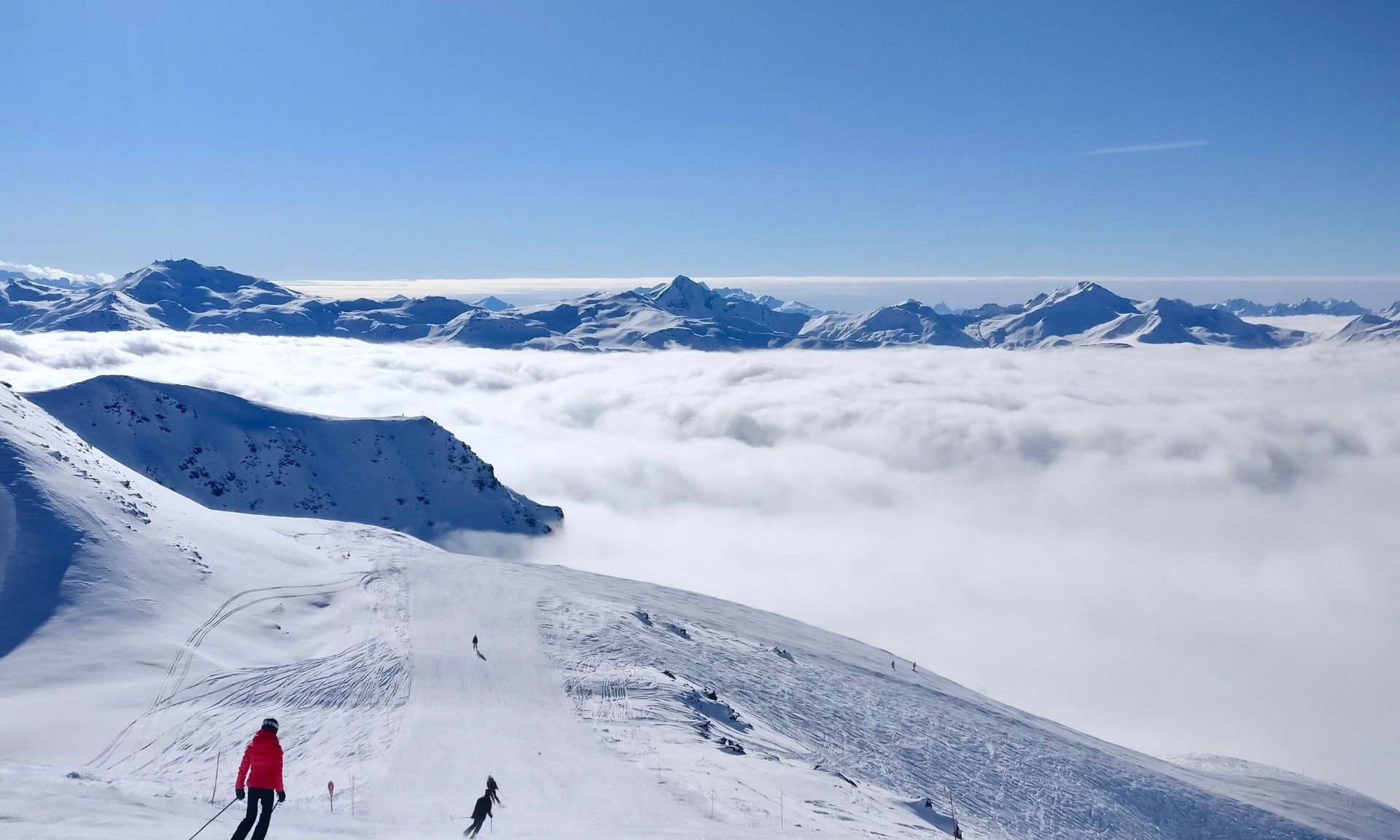
The birthplace of mountaineering: the first ascent of Mont Blanc began in Chamonix in 1786.
The host town of the first Winter Olympics, in 1924.
An accessible high mountain: the Aiguille du Midi cable car climbs to 3,842 m, facing Mont Blanc. It also provides access to the Vallée Blanche, an off-piste glacier route about 20 kilometers long, which can only be traversed with a guide.
The Mer de Glace, France’s largest glacier, accessible by the Montenvers train.
A real town: Chamonix is bustling year-round, with its pedestrian streets, museums, and nightlife—a far cry from “integrated” resorts.
Where to Ski in Chamonix? The Valley’s Ski Areas
Unlike most resorts, the Chamonix Valley does not have a single ski area but several separate ones, connected by ski buses and the train. Only Le Brévent and La Flégère are connected by the slopes.
Brévent - Flégère: Downtown (Planpraz) and Les Praz (All skill levels, view of Mont Blanc)
Grands Montets: Argentière (Experienced skiers, freeride)
Balme-Le Tour-Vallorcine: Le Tour and Vallorcine (Families, intermediate skiers)
Les Houches: Les Houches–Saint-Gervais Ski Area (Families, forest skiing)
La Vormaine, Les Chosalets, Le Savoy, Plateau 2000, Plateau de Lognan, Les Planards, La Poya (Beginners)
Chamonix by the Numbers: Altitude, Slopes, and Mont Blanc Unlimited
The Chamonix-Mont-Blanc valley does not function as a single ski area. Several independent sectors stretch from Les Houches (1,035 m) to Vallorcine, connected by road and train. Here are the key figures.
Chamonix only (Chamonix Le Pass):
Location: Haute-Savoie (74400), Arve Valley, at the foot of the Mont Blanc massif
Elevation: 1,035 m in the city center; Le Pass ski area slopes range from 1,000 m to 2,765 m.
Slopes: 110 km, including 15 green, 30 blue, 27 red, and 14 black runs, with a total vertical drop of 24,496 m
Lifts: 43, including 2 cable cars, 6 gondolas, 14 chairlifts, and 21 T-bar lifts.
Grands Montets: The Argentière–Lognan gondola is reopening, but the summit (3,300 m) remains closed until the new cable car begins operation, scheduled for December 2027
With the expanded Mont-Blanc Unlimited pass:
Included ski areas: all ski areas in Chamonix, Les Houches–Saint-Gervais, Évasion Mont-Blanc (Megève, Saint-Gervais, Les Contamines, Combloux…), Courmayeur (Italy), and Crans-Montana (Switzerland).
Attractions: Aiguille du Midi, Montenvers–Mer de Glace, Mont-Blanc Tramway, and Skyway Monte Bianco.
Coverage: 723 km of trails across three countries (63 green, 122 blue, 170 red, 67 black), with ski areas that are not interconnected (Mont-Blanc Natural Resort).
Some sites are accessible only with a 2-day or longer ski pass, and both the Aiguille du Midi and the Mont-Blanc Tramway require a time slot reservation.
Schedules and trail maps are available on the ski areas’ official website.
How to get to Chamonix: by car, bus, train, or plane?
Chamonix is easily accessible by car, train, or bus, but the best option depends on where you’re coming from. The valley is connected to Geneva by an expressway, to Italy via the Mont Blanc Tunnel, and to the rest of France by train, usually with a transfer at Saint-Gervais-Le Fayet. The tourist office’s website details all the options.
By car: distances and the Mountain Law
Geneva - 88 km - 1 hr 15 min
Annecy - 90 km - 1 hr 15 min
Lyon - 220 km - 2 hours 30 minutes
Paris - 600 km - 6 hours
Courmayeur (Italy) - Via the Mont Blanc Tunnel - About 20 min
Required equipment: From November 1 through March 31, in Haute-Savoie, 4 winter tires marked 3PMSF, or snow chains/snow socks for at least 2-wheel drive vehicles (Haute-Savoie Department). Tires marked only with M+S are no longer accepted as of November 1, 2024; a fixed fine of €135 applies (Mountain Law in Haute-Savoie).
Parking: The tourist office’s parking guide helps you prepare for your arrival.
By train: the Mont-Blanc Express
Trains arrive in Saint-Gervais-Le Fayet, where you can take the Mont-Blanc Express to Chamonix (stops at Servoz, Les Houches, Les Bossons, Chamonix, Argentière, and Vallorcine, then on to Switzerland as far as Martigny). With the guest pass provided by your lodging, the Mont-Blanc Express is free between Servoz and Vallorcine.
Train journey
Geneva – Chamonix (Léman Express + Mont-Blanc Express): 2 hours 40 minutes
Annecy – Chamonix: 2 hours 40 minutes
Lyon – Chamonix: 4 hours 30 minutes to 5 hours
Paris – Chamonix: 6 hours 30 minutes
By plane
Geneva (Switzerland), 88 km: Transfer options include: Shuttles, FlixBus, taxi
Annecy Mont-Blanc 90 km: Transportation options: Car, shuttle
Lyon Saint-Exupéry, 220 km: Transportation options: Train, bus, car
Getting around locally: Buses and shuttles
The Chamonix Mobilité network serves the entire valley, from Servoz to Vallorcine.
Proxibus operates 8 routes to the hamlets (Network fares)
Chamo'nuit operates 4 evening routes (Fee required; not covered by the ski pass)
The Mulet is an electric shuttle in the city center (Free)
Mont-Blanc Express is a train running from Servoz to Vallorcine (Free with the guest pass)
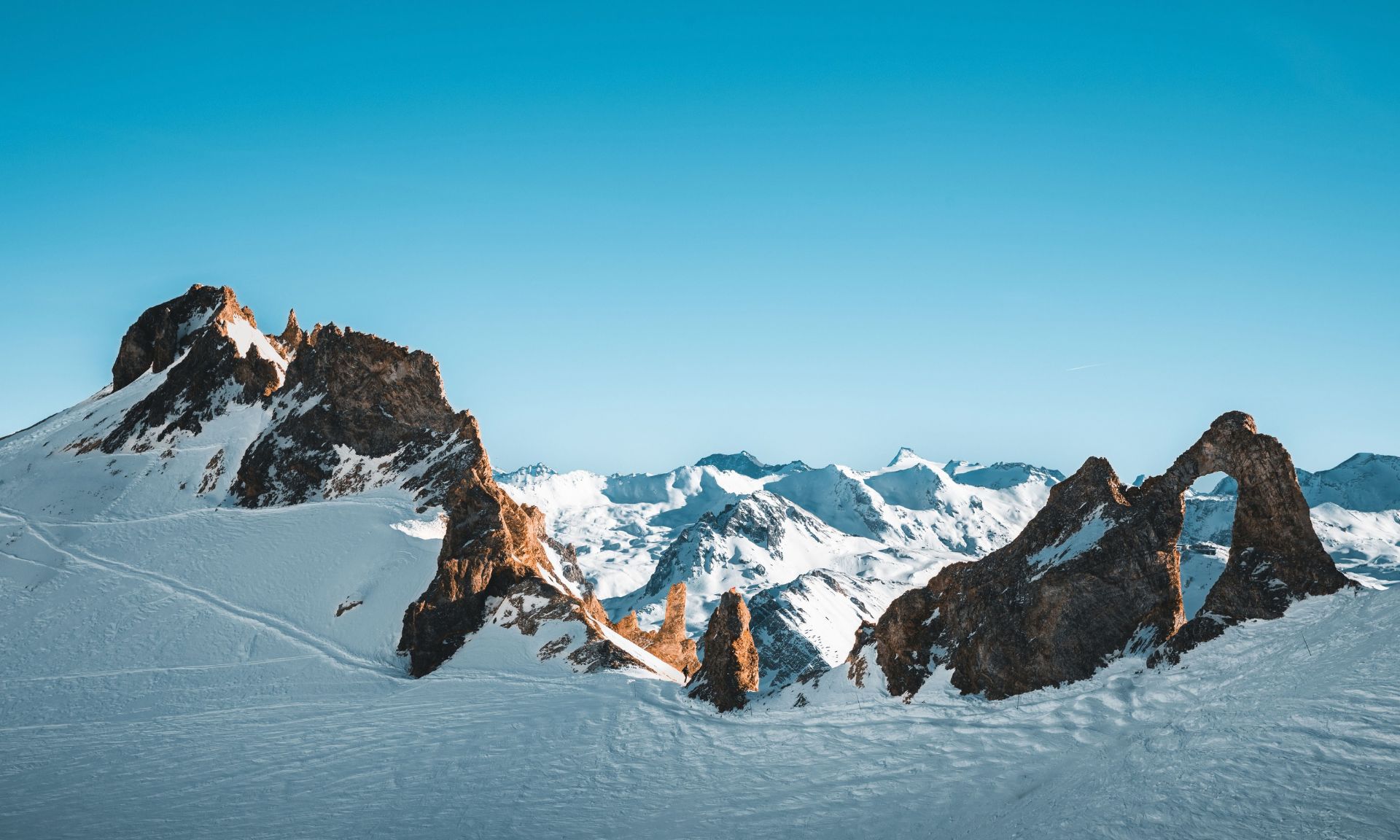
Meilleure période pour skier à Chamonix : notre calendrier
Le calendrier tarifaire du forfait Chamonix Le Pass découpe l'hiver 2026-2027 en trois périodes. Vous choisirez selon votre budget, votre envie de calme ou votre besoin de pistes ouvertes partout. Les dates d'ouverture et de fermeture sont annoncées, mais elles restent soumises à l'enneigement et aux conditions d'exploitation.
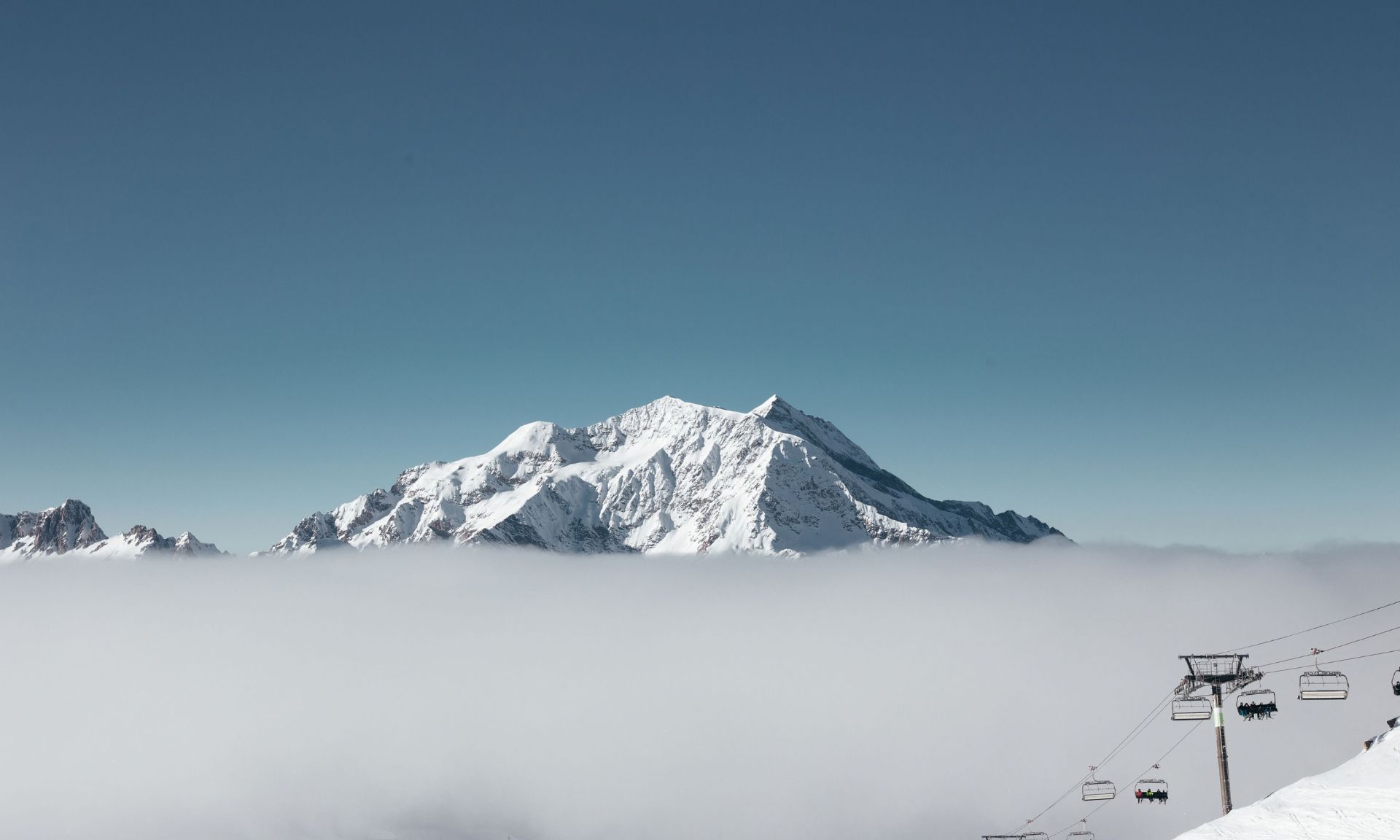
Enneigement, météo et webcams à Chamonix : le bon réflexe
Les domaines n'étant pas reliés, un secteur peut fermer quand un autre reste ouvert : vérifiez avant de choisir où skier.
Ouvertures en direct des remontées et des pistes ;
Webcams des domaines pour juger de la neige et de la visibilité ;
Bulletin neige de l'office de tourisme et remontées en temps réel ;
Conseils de sécurité en montagne du gestionnaire des domaines, indispensables avant tout hors-piste.
How much will a ski pass cost in Chamonix for the 2026–2027 season?
Two passes stand out: Chamonix Le Pass, which covers 100% of the ski area in Chamonix (excluding the Grands Montets summit), and Mont-Blanc Unlimited, which adds the Aiguille du Midi, Montenvers, Les Houches–Saint-Gervais, Évasion Mont-Blanc, Courmayeur, and Verbier. For the 2026–2027 winter season, the Compagnie du Mont-Blanc is implementing an average price increase of 3.56% for Le Pass and 3.98% for Mont-Blanc Unlimited.
Cheaper online: Book at least 3 days in advance through the official ticket office or the tourist office, and pick up your pass at the Pick-Up Box kiosks. In 2025–2026, the adult Le Pass day pass cost between €47 and €59.20 online
Free admission: one additional child aged 5 to 14, at the ticket window, upon presentation of ID. Family Plan: 3rd, 4th, and 5th children ride free in 2026–2027.
Please note: a hands-free wristband is required (€3, rechargeable); a photo is required for passes longer than 10 days.
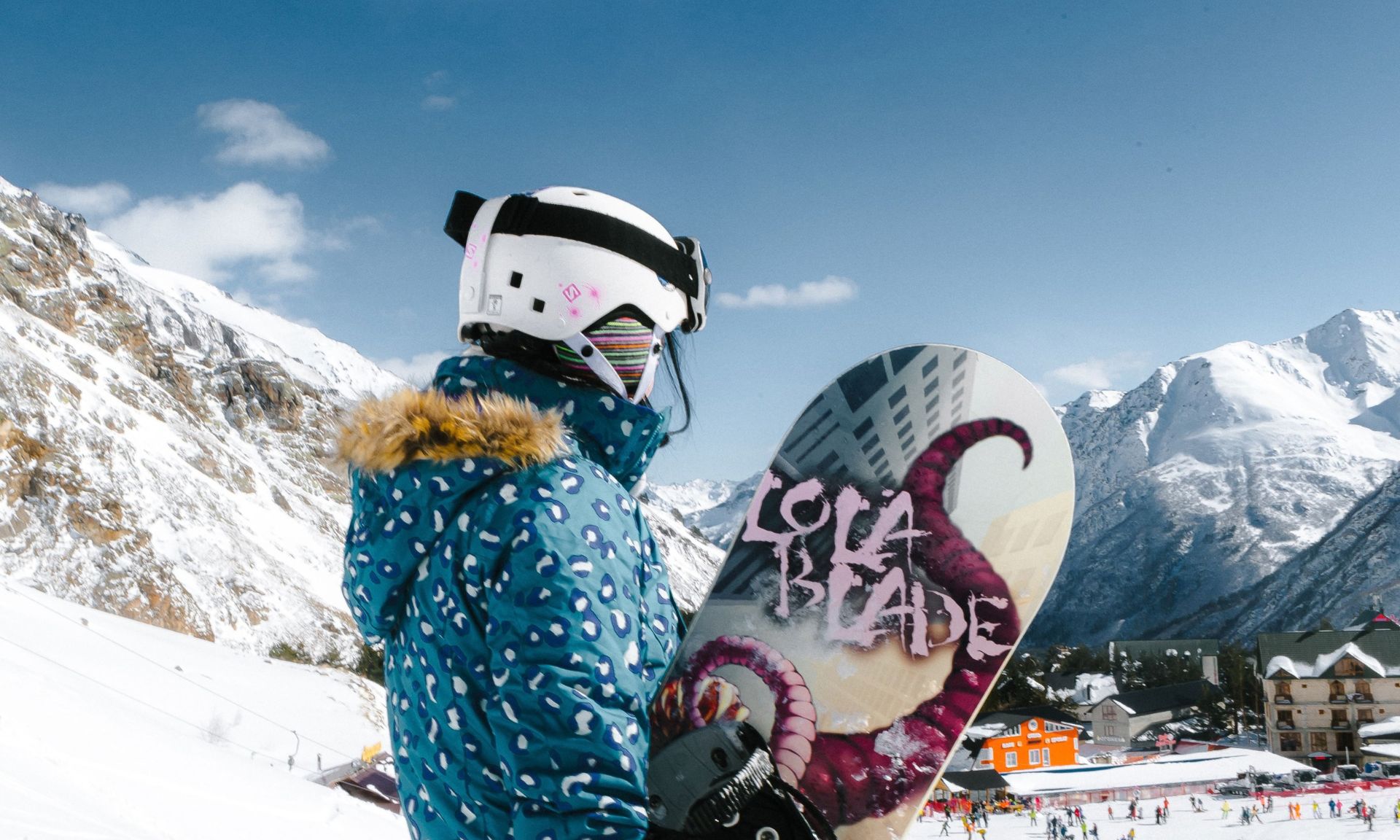
Location de ski à Chamonix : nos conseils
La location de ski à Chamonix mérite d’être préparée. La vallée accueille un flux important de visiteurs internationaux en décembre et février, et les magasins indépendants peuvent être saturés. Voici nos conseils pour louer sereinement votre matériel.
Book Your Equipment in Advance in Chamonix
Advance reservations are strongly recommended during peak periods:
Holiday season (December 20–January 3): Reserve at least 2 weeks in advance
February school break: book at least 3 weeks in advance, especially for children’s sizes
Opening weekends (late November–early December): supplies are limited
Booking online often allows you to take advantage of discounted rates (up to 30% off at some partner stores) and guarantees the availability of your size. Stores in the valley generally offer pickup the day before or the morning of your first day of skiing.
Information needed to rent your skis
To ensure your equipment reservation goes smoothly, please have the following information ready:
Height (in cm) and weight (in kg) of each skier
Shoe size (in Mondopoint if possible)
Skiing level: beginner, intermediate, advanced, expert
Children’s ages (determines equipment size and ski type)
Helmet: required for children, recommended for everyone
Discipline: downhill skiing, snowboarding, cross-country skiing, snowshoeing
Renting vs. Buying Skis: 4 Reasons
Frequency: Skiing just a few days a year doesn’t justify tying up money in equipment you’ll rarely use.
Transportation: Traveling by train or bus without bulky skis makes getting to Chamonix much easier.
Adaptability: Each trip may require different gear—for on-piste, off-piste, or snowboarding—which renting allows you to try out.
Children: Since children grow so quickly, renting makes more sense, whereas buying is a better option for regular skiers who need custom adjustments.
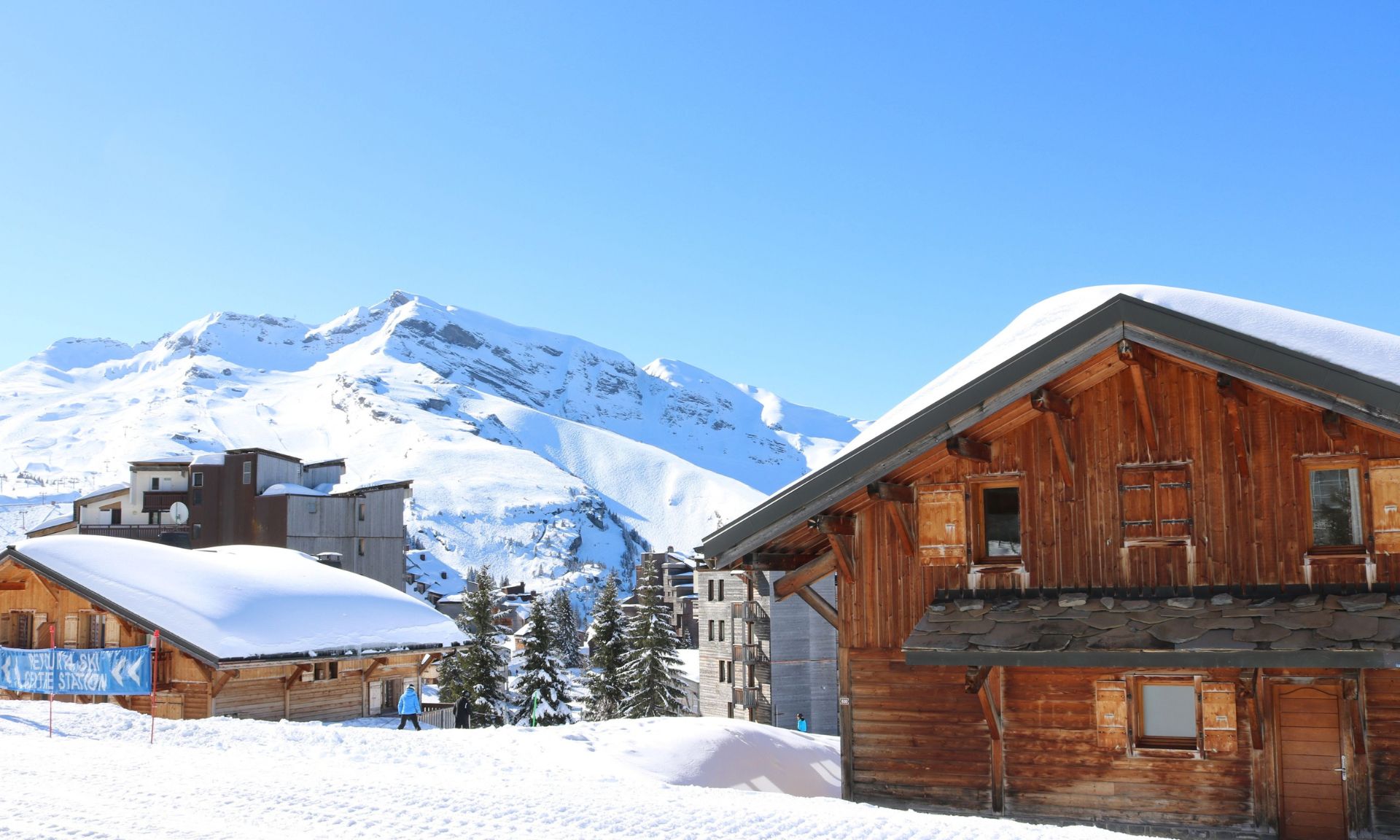
Où dormir à Chamonix : du centre ville aux Houches
La commune de Chamonix-Mont-Blanc compte 16 villages et hameaux, du Tour au nord jusqu'aux Bossons au sud. Le choix du secteur détermine votre trajet vers les pistes : le train Mont-Blanc Express et les Skibus relient tous les villages, mais plus vous êtes loin du centre, plus vous êtes près d'un domaine précis.
Accommodations in the city center, between Planpraz and Rue des Moulins
The heart of Chamonix is home to restaurants, shops, bars, and train stations, with the Planpraz gondola—the gateway to the Brévent ski area—right in town and the Aiguille du Midi cable car nearby. The pedestrian Rue des Moulins comes alive in the evenings. Ideal for non-drivers and trips that combine skiing with nightlife, but other ski areas require a bus or train.
Les Bossons, at the foot of the glacier and just a few minutes from the center
To the southwest of the town center, Les Bossons stretches out at the foot of the glacier of the same name, served in the summer by a chairlift. The Mont-Blanc Express stops here, allowing you to reach the center in just a few minutes. The village is quieter than the town: a good compromise for families and skiers who want a peaceful night’s sleep.
Les Praz-de-Chamonix: the quiet village at the foot of the Flégère
About 3 km from the center, Les Praz-de-Chamonix retains a village atmosphere, with chalets, hotels, and bars along the road leading to the town. The Flégère lift is very close by, making skiing convenient. The train and bus connect to the town center in just a few minutes: a popular base for both skiers and families.
Argentière, the village of Les Grands Montets
About 8 km from the center, Argentière blends village life with a mountaineering spirit, offering direct access to the Grands Montets, renowned for their excellent skiing. The village has its own snow park and shops. Trains and buses connect it to Chamonix, but visitors mainly stay here to ski locally, away from the hustle and bustle of the city.
Le Tour: High-Altitude Chalets at the Foot of the Balme Ski Area
About 12 km from the center and at an elevation of 1,462 m, Le Tour is the highest village in the valley: a few chalets and apartments clustered around a ski lift. It provides access to the Balme ski area and is ideal for families seeking a peaceful setting at the foot of the slopes—provided they don’t mind being far from the nightlife in town.
Vallorcine: tranquility, just a stone’s throw from the Swiss border
The last village before the Swiss border, Vallorcine charms visitors with its tranquility and apartment complexes. Its gondola opens onto the Balme ski area, which can be reached on skis from Le Tour. The Mont-Blanc Express serves the village, but getting to downtown Chamonix takes longer: people choose it for the tranquility, not for the nightlife.
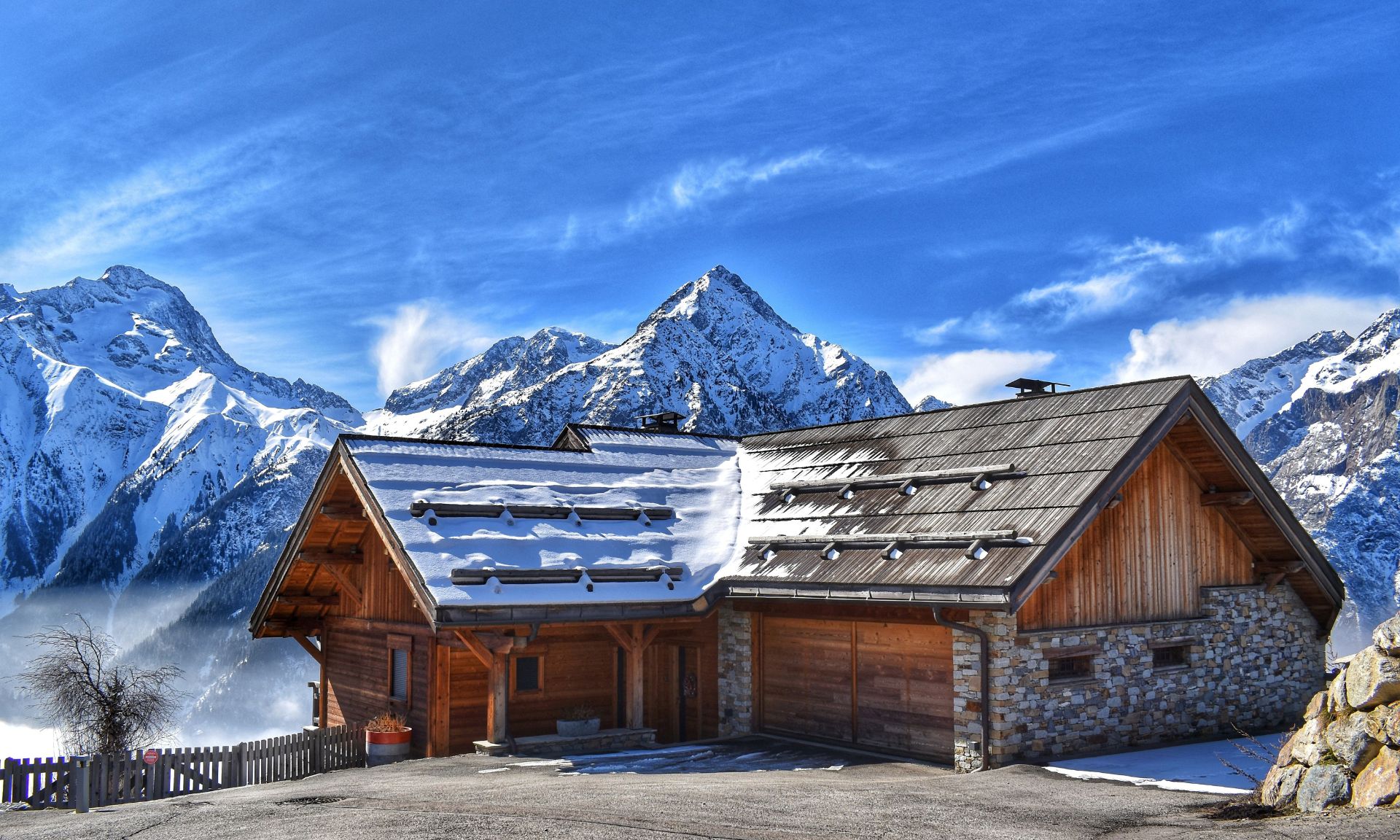
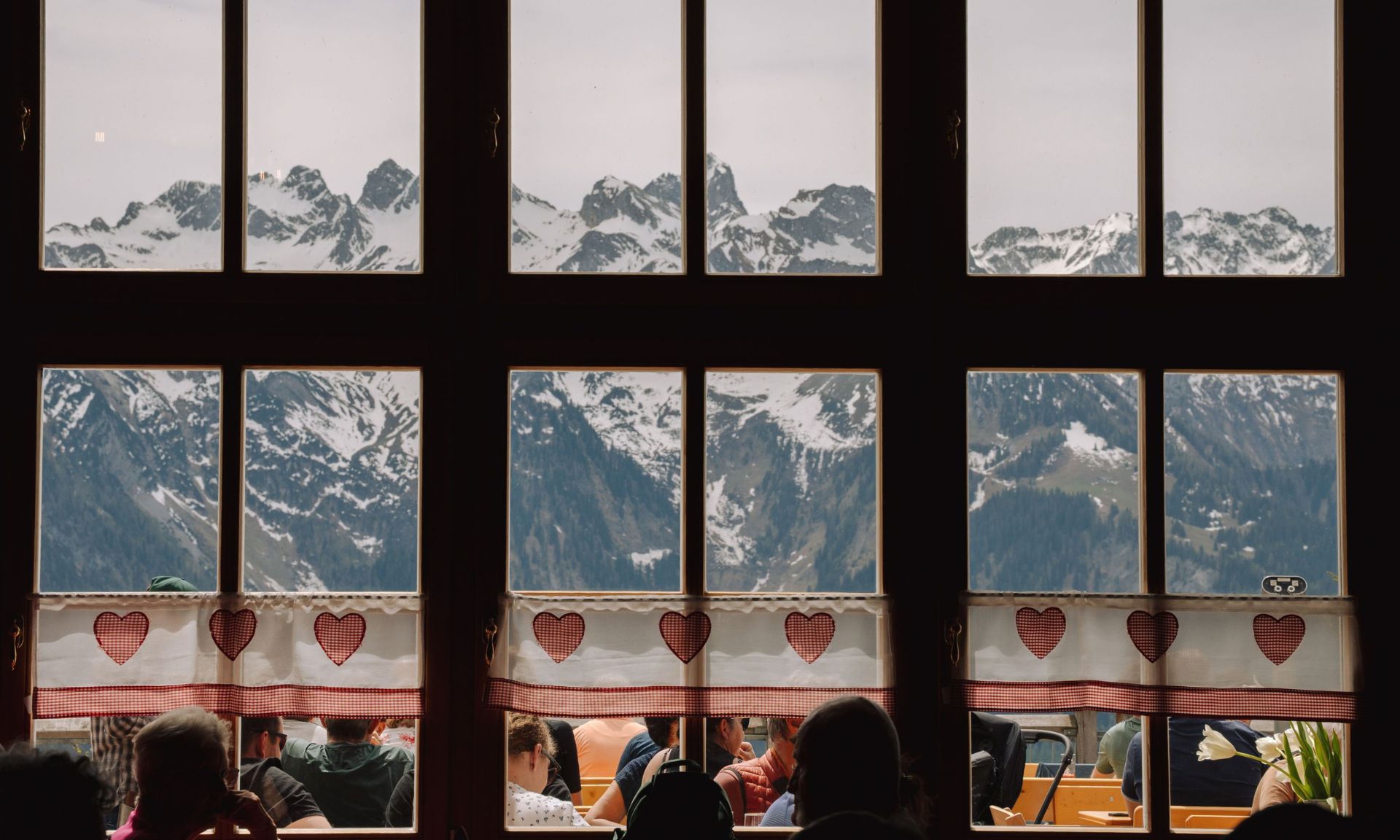
Family Skiing in Chamonix: Beginners, ESF, and Snow Play Areas
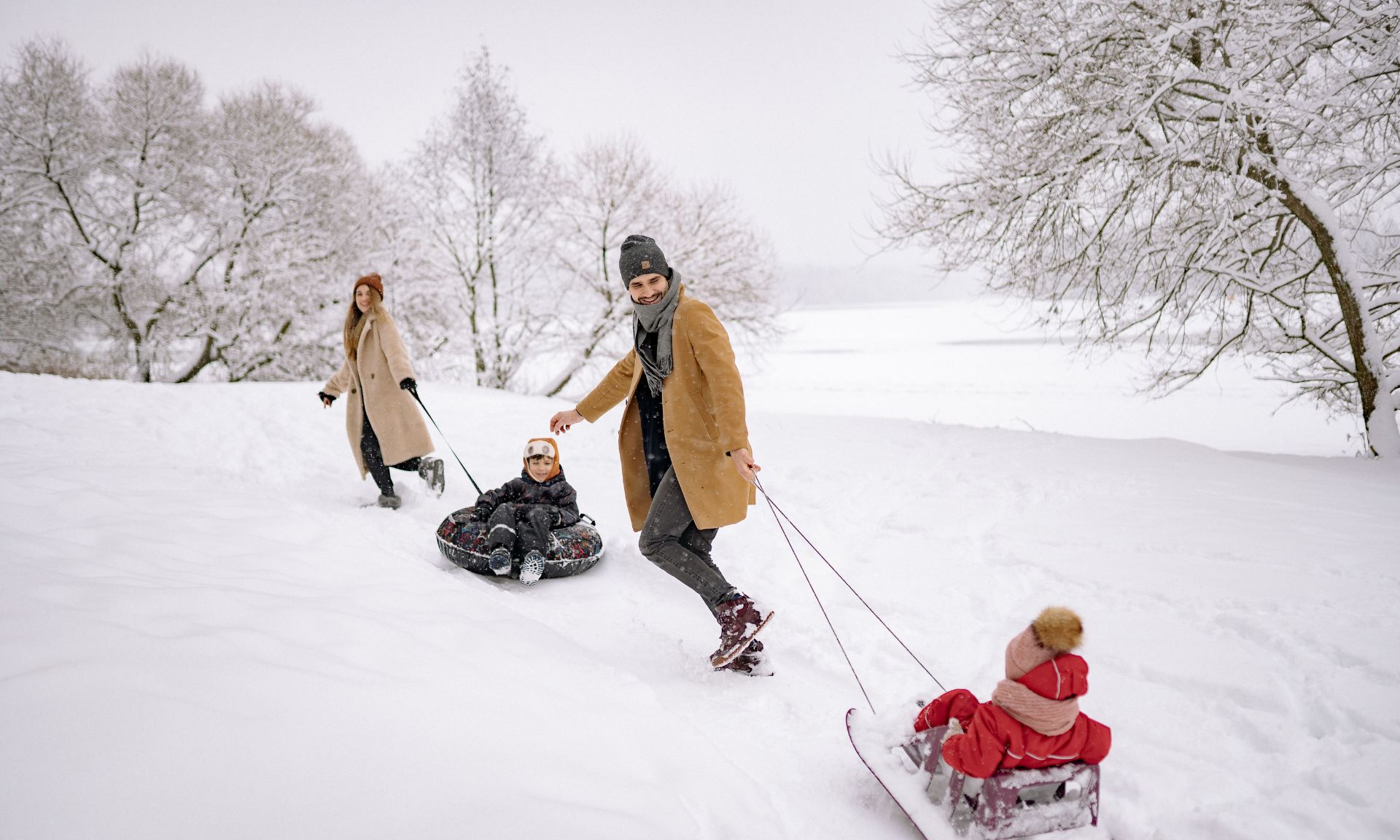
Chamonix Le Pass includes seven beginner areas (Les Planards, Le Savoy, La Vormaine, Les Chosalets, the Lognan Plateau, the Planpraz Plateau 2000, and La Poya), and children under 5 ski for free. The Les Houches ski area, set in the forest, is also very popular with families.
Ski school: The Chamonix ESF, located at the Maison de la Montagne (Place de l’Église), offers group and private lessons, with a snow garden at Les Planards. In Argentière, the ESF’s snow garden welcomes children as young as 3.
Note: Chamonix is a resort town, not a “ski-in/ski-out” resort. Plan to take the ski bus or train between your lodging and the slopes.
Things to Do in Chamonix Without Skiing: 8 Ideas for Winter
Aiguille du Midi: cable car to 3,842 m facing Mont Blanc; advance reservation required;
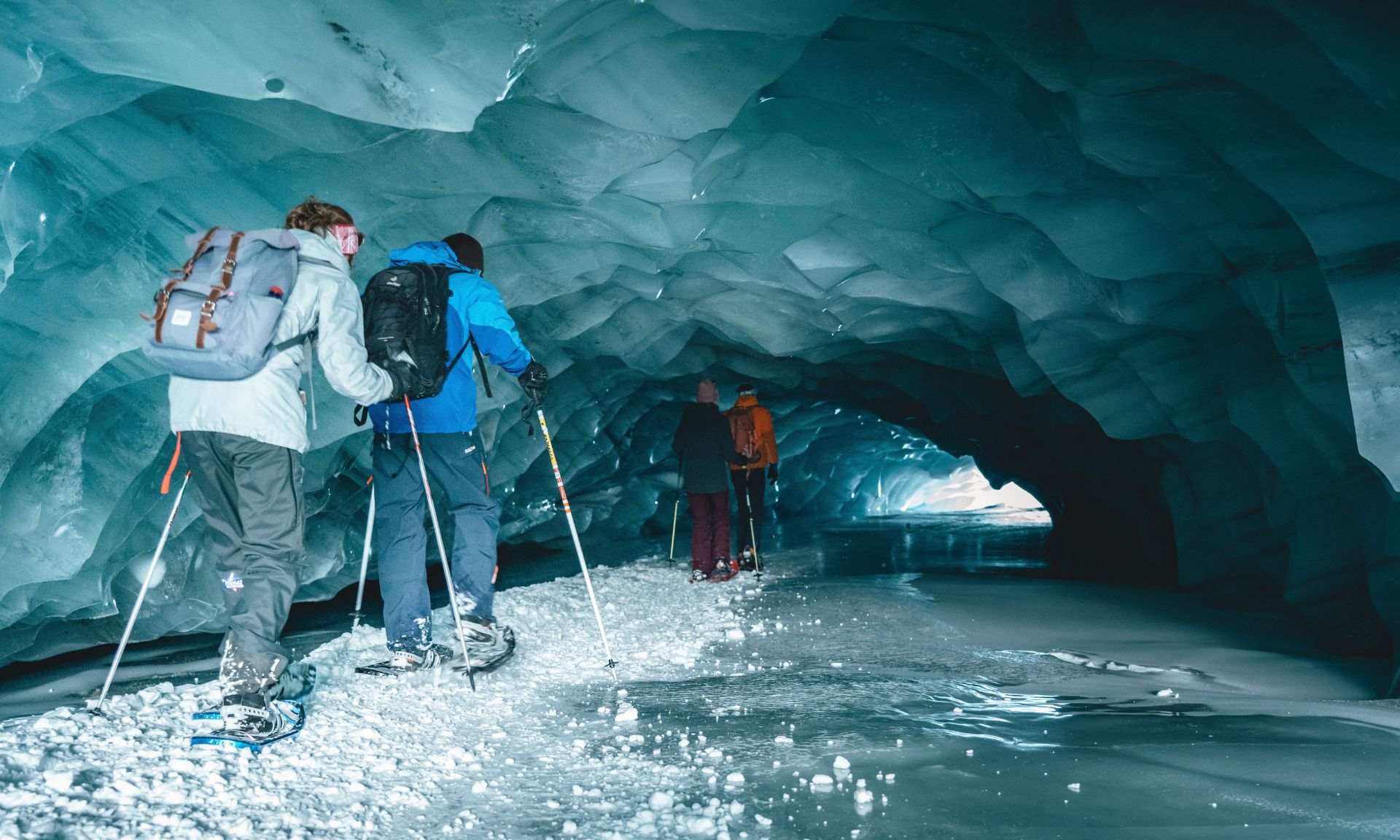
Mer de Glace: The Montenvers rack-and-pinion train takes you to France’s largest glacier and its ice cave;
High-altitude hikes: With a hiker’s pass, hike up to Planpraz, Le Brévent, La Flégère, or Charamillon (passes available at the tourist office);
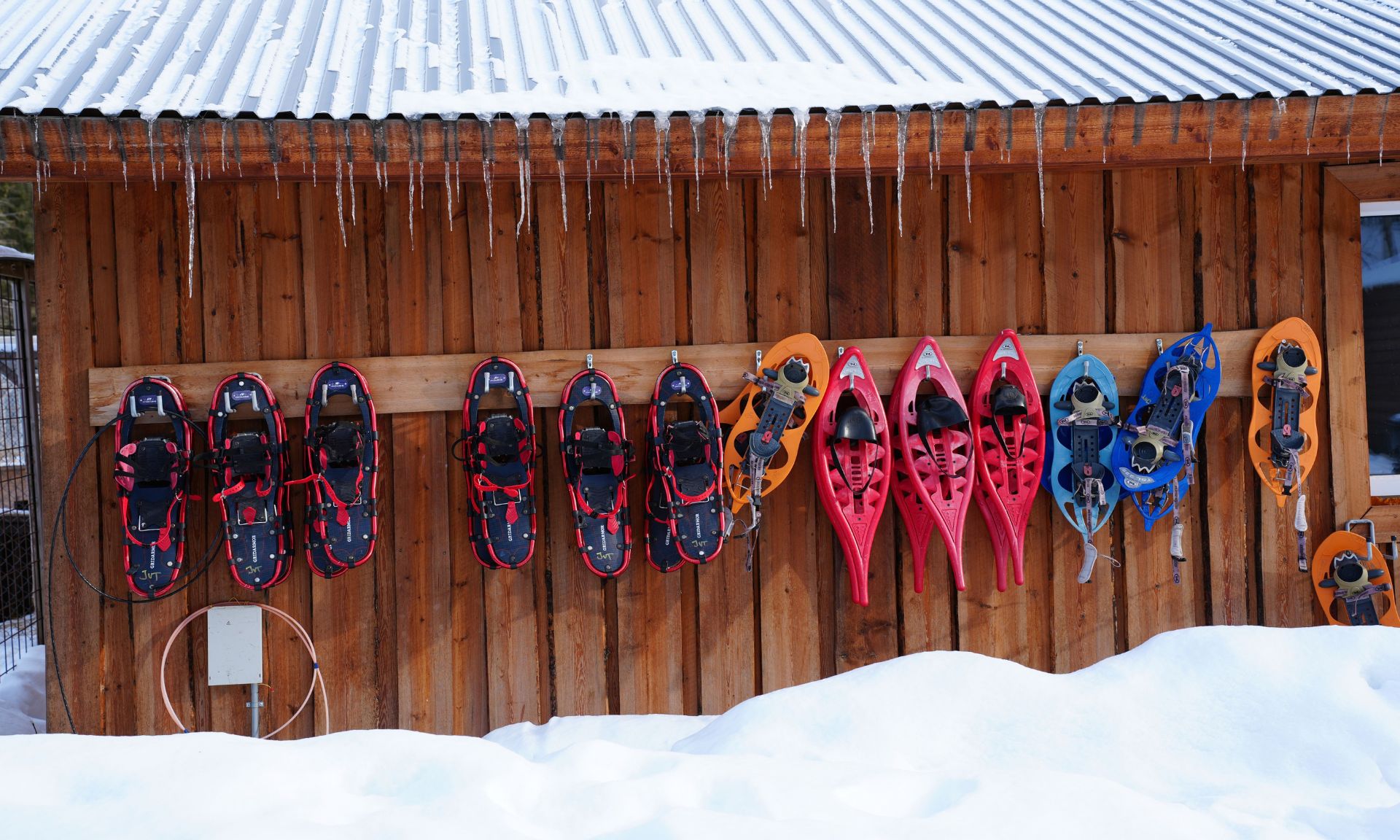
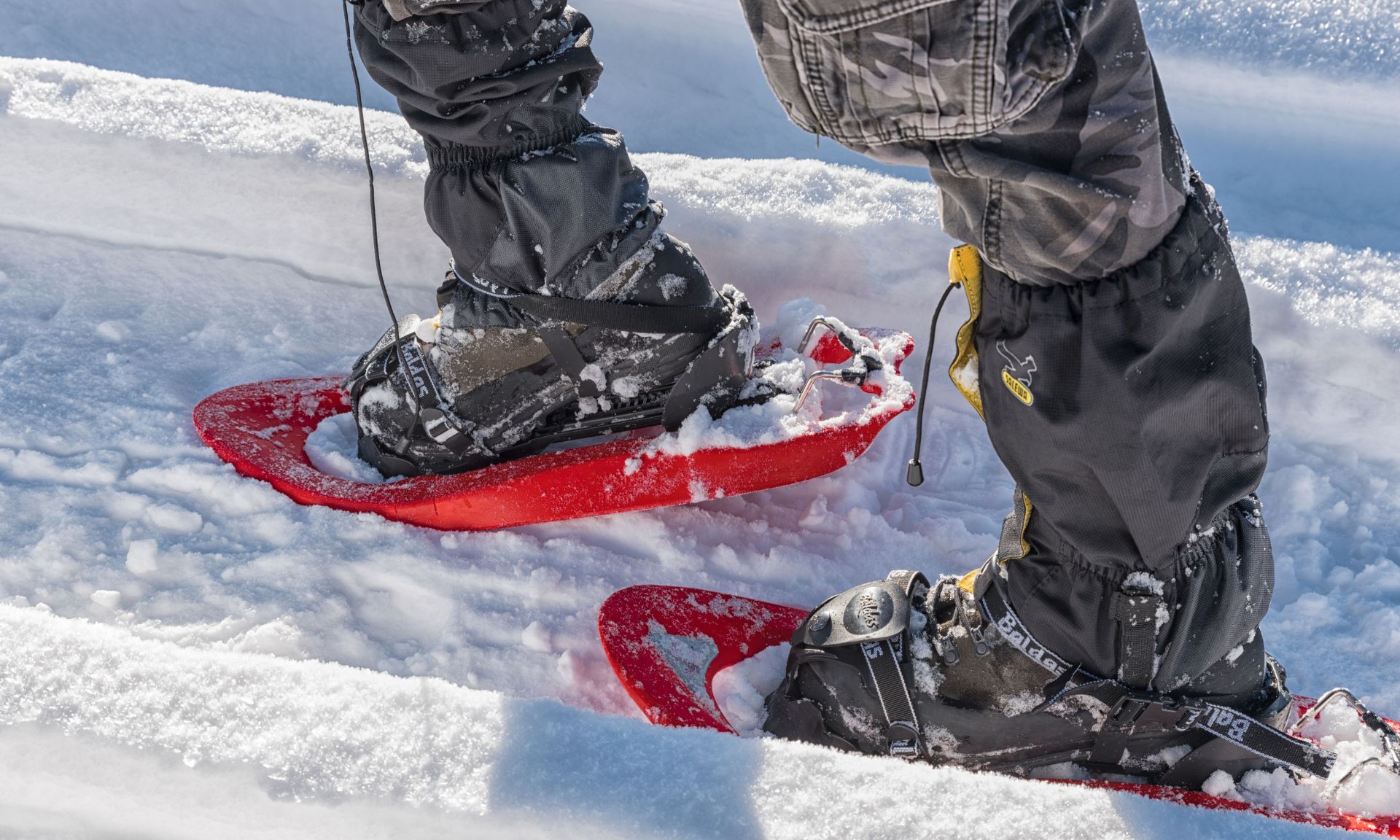
Snowshoeing: the Bois du Bouchet loop, the Gaillands Lakes;
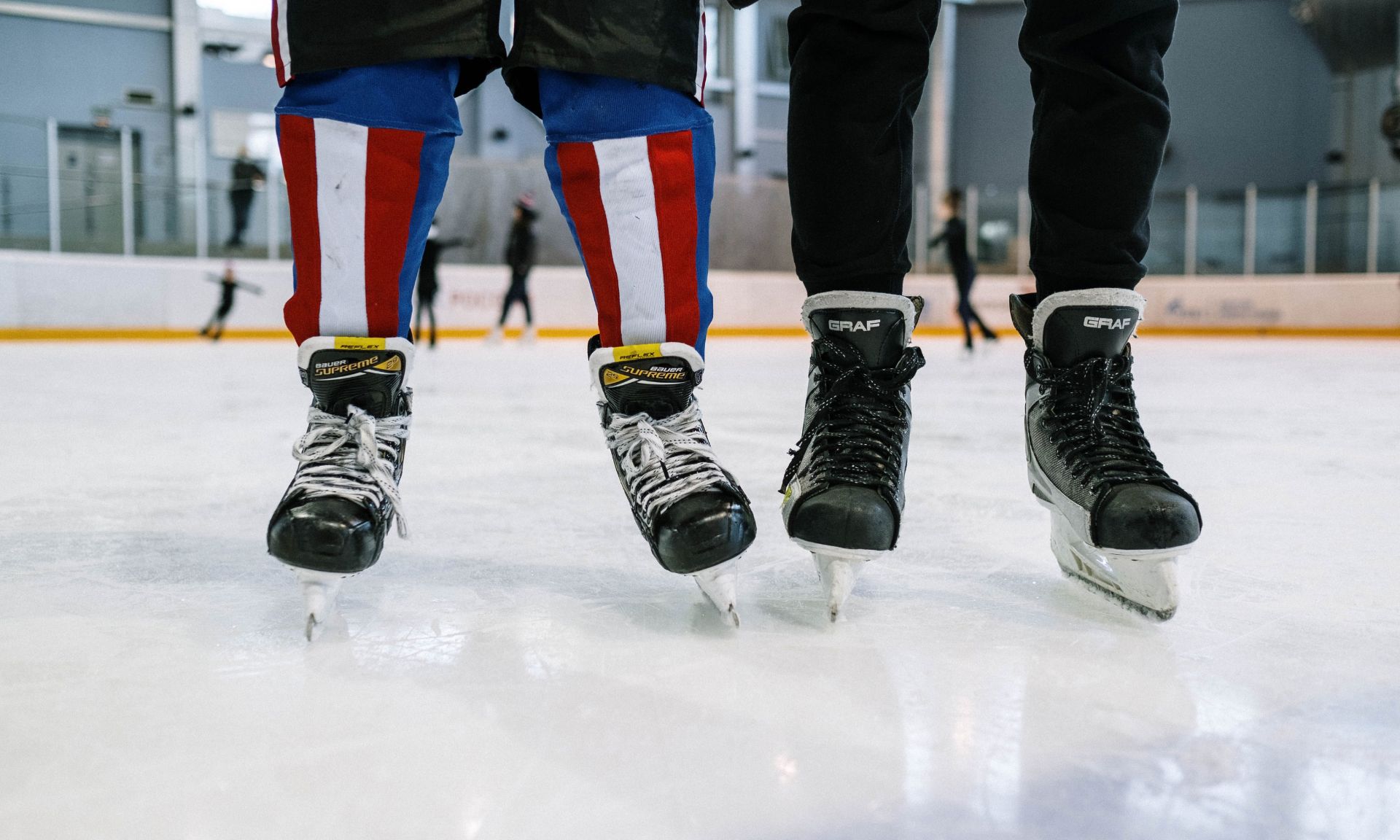
Ice hockey: Chamonix Pioneers games at the ice rink;
Mont Blanc Museum: the former Alpine Museum, reopened on July 11, 2026, in the former Chamonix Palace after five years of renovations (Haute-Savoie Department);
Espace Tairraz: the Mont Blanc Massif Crystal Museum;
Cross-country skiing: about 50 kilometers of cross-country trails in the valley.
Restaurants in Chamonix: Where to Eat on the Slopes and in Town
Lunch at High Altitude: Planpraz, Flégère, and Charamillon
La Bergerie de Planpraz: a wooden chalet at 2,000 m, featuring wood-fired meats and Savoyard specialties, with takeout available on the lower level.
L'Adret de la Flégère: a renovated sit-down restaurant in the Flégère ski area, facing due south.
Le Chalet de Charamillon: a self-service restaurant at the base of the Balme ski area, perfect for a quick lunch between runs.
Savoyard restaurants in the center: fondue, croûte, and raclette
Le Monchu: a local institution since 1972 in the town center, serving pierrade, raclette, fondue, and an extensive wine list.
La Calèche: an authentic Chamonix spot, known for its cheeses melted at the table.
La Tablée: mountain hut atmosphere, croûtes, tartiflette, boîte chaude, and raclette
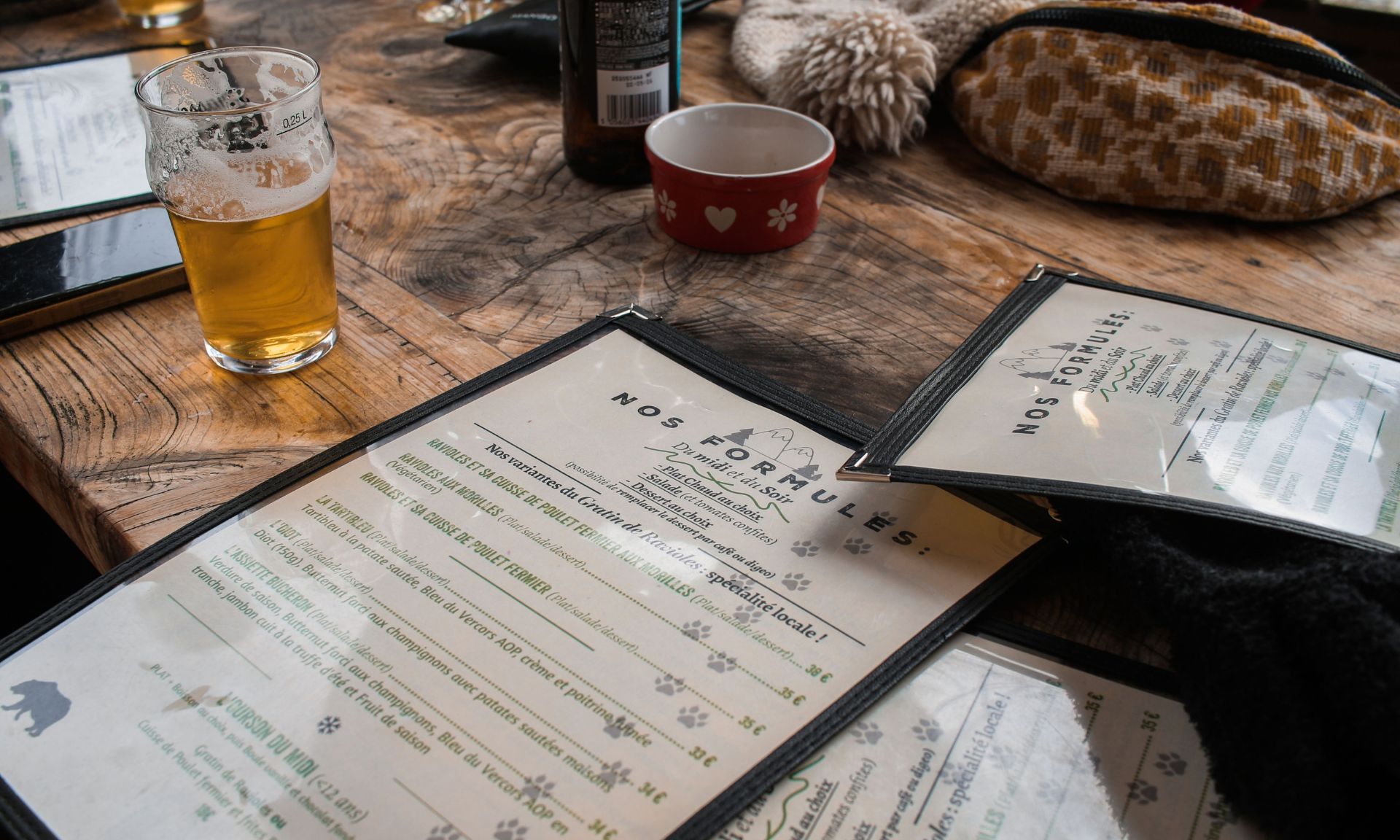
Après-ski et soirées à Chamonix : bars du centre et de la gare
Le couloir d'après-ski le plus animé se trouve devant la gare, et la rue des Moulins prolonge la soirée. Tout se fait à pied dans le centre-ville. Voici quatre repères, sans reprendre les tables citées plus haut :
Chambre Neuf : bar de l'hôtel Gustavia, avenue Michel Croz, réputé pour ses groupes en direct à l'heure de l'après-ski.
Elevation 1904 : café-bar en face de la gare, grande sélection de bières pression et soirées avec DJ.
Micro Brasserie de Chamonix : bières brassées sur place, terrasse et cuisine décontractée.
Bar'd Up : bar sombre et sans chichis au bout de la rue des Moulins, ambiance grunge.
Chamonix in the Summer: Hiking, the Aiguille du Midi, and Lac Blanc
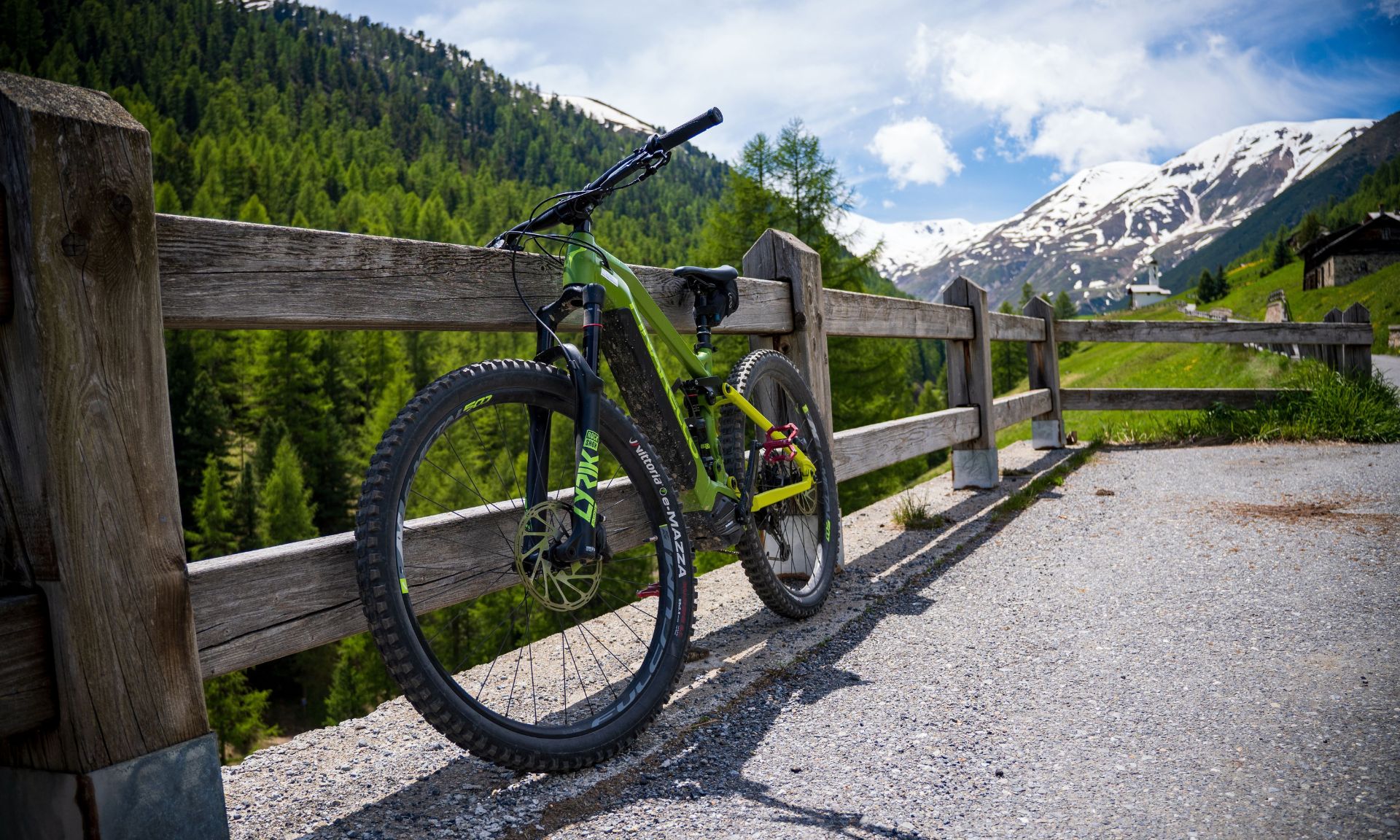
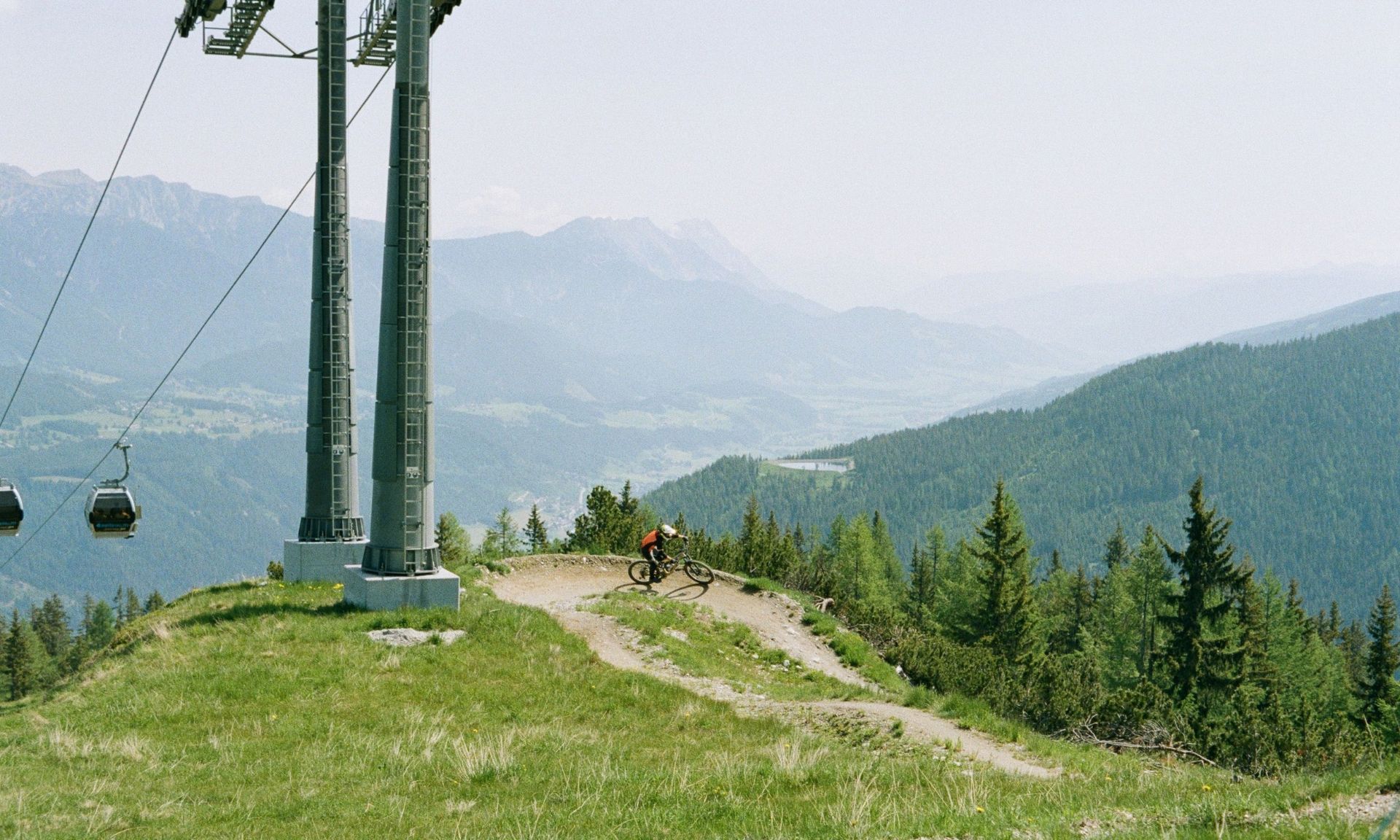
In the summer, the ski lifts serve hikers, mountain bikers, and visitors who want to go up to higher elevations. The Multipass Mont-Blanc pass is available from mid-June through late September.
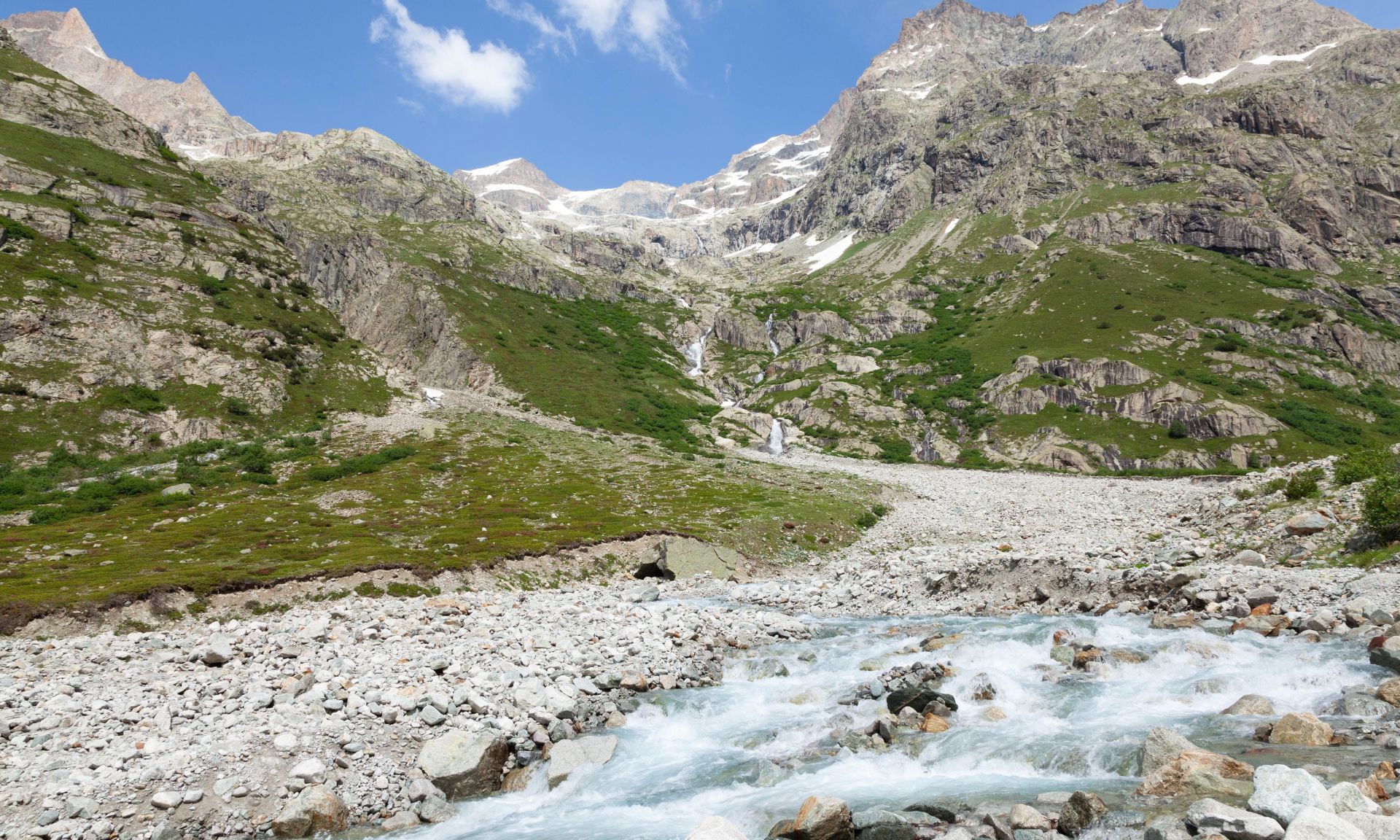
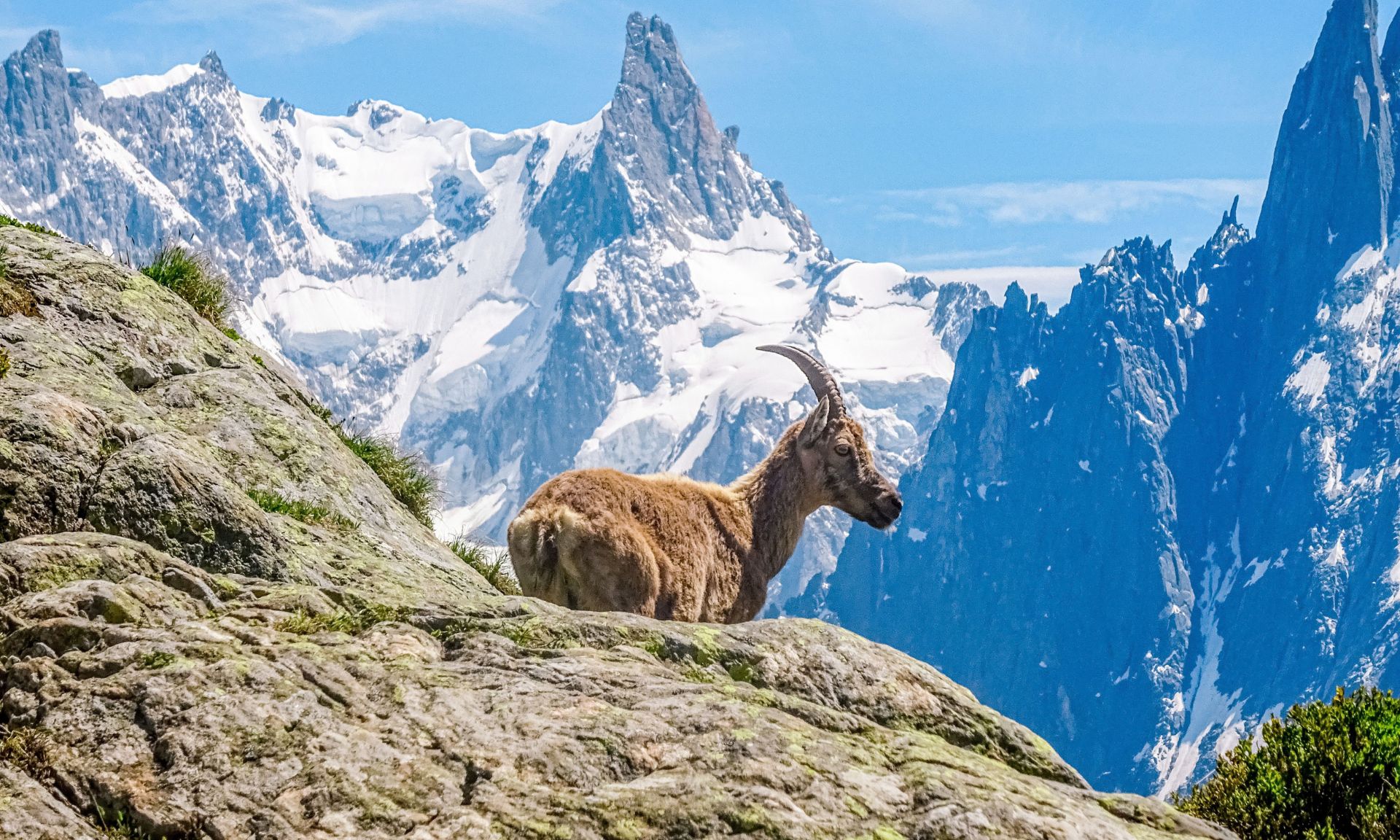
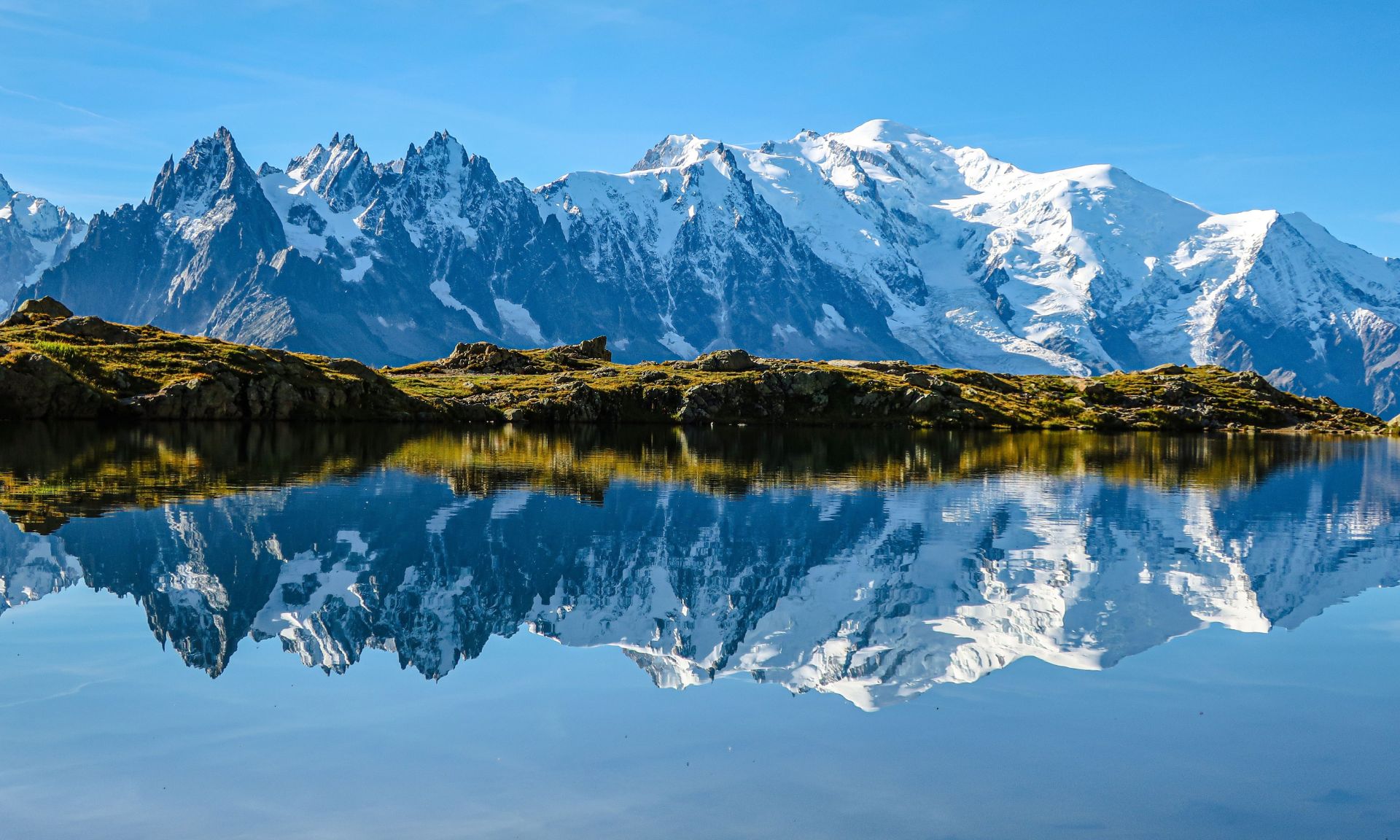
Top hikes: Lac Blanc starting from La Flégère, the Grand Balcon Sud between Planpraz and La Flégère;
Aiguille du Midi and Mer de Glace, also open in the summer;
Summer tobogganing and a children’s amusement park;
Tandem paragliding, mountaineering with the Compagnie des Guides, mountain biking;
Mont Blanc Museum for rainy days.
Ski Rental Shops in Chamonix: How to Join the Skilead Network?
Do you run a ski rental shop in the Chamonix Valley? Skilead brings together independent rental shops (known as “tanières”) and an online booking platform. Joining the network means:
Gaining visibility among vacationers who book their ski gear before they leave
Accessing reservation management tools provided by the platform
Remaining an independent business owner while benefiting from a network present in multiple resorts
Discover the Skilead network or contact the team to explore opening a “tanière” in Chamonix.
Everything You Need to Know About Chamonix: 12 Practical Questions
What is the elevation of Chamonix?
The center of Chamonix-Mont-Blanc is at 1,035 m. The slopes of Chamonix Le Pass range from 1,000 m to 2,765 m. The Aiguille du Midi cable car goes up to 3,842 m, and the summit of Mont Blanc rises to 4,805 m.
When does the 2026–2027 ski season open in Chamonix?
It is scheduled to run from November 28, 2026, to May 2, 2027, subject to snow conditions. The peak season runs from December 19, 2026, to April 9, 2027.
How much does a day pass cost in Chamonix?
At the ticket office, the Chamonix Le Pass for adults costs €76.50 during peak season and €61.20 during early and late season (2026–2027). It’s cheaper to buy online if you book at least 3 days in advance. Children under 5 ski for free.
Chamonix Le Pass or Mont-Blanc Unlimited: Which One Should You Choose?
The Pass is sufficient for skiing in Chamonix (110 km, excluding Les Houches and the summit of Les Grands Montets). Mont-Blanc Unlimited (723 km) adds Les Houches–Saint-Gervais, Évasion Mont-Blanc, Courmayeur, Crans-Montana, the Aiguille du Midi, and Montenvers: it’s worth it for a multi-day trip with excursions.
How do you get from Geneva to Chamonix?
By car, about 1 hour and 15 minutes (88 km). By train, take the Léman Express to Saint-Gervais-Le Fayet, then the Mont-Blanc Express (2 hours and 40 minutes total). Shuttles and buses also connect Geneva Airport to Chamonix.
Are winter tires required to drive to Chamonix?
Yes, from November 1 to March 31 in Haute-Savoie: 4 3PMSF winter tires, or snow chains or snow socks for at least a 2-wheel-drive vehicle. The fine is €135.
Is the bus free with a ski pass in Chamonix?
Yes, daytime Skibuses are free with a valid ski pass (Le Pass, Mont-Blanc Unlimited, or Les Houches). The Chamo’nuit evening buses require a fare. The Mulet, the downtown shuttle, is free, and the Mont-Blanc Express is free with a guest pass.
Where can beginners ski in Chamonix?
In the beginner areas included in Le Pass (Les Planards, Le Savoy, La Vormaine, Les Chosalets, the Lognan Plateau, Plateau 2000, and La Poya) and in the Les Houches ski area. The ESF offers a snow garden for children ages 3 and up.
What activities are there in Chamonix for those who don’t ski?
Take the cable car up to the Aiguille du Midi, ride the Montenvers train to the Mer de Glace, go snowshoeing, visit the Mont Blanc Museum, or catch a Pionniers hockey game.
Ski Rental Shops in Chamonix: How to Join the Skilead Network?
Do you run a ski rental shop in the Chamonix Valley? Skilead brings together independent rental shops—known as “tanières”—through an online booking platform. Joining the network means:
gaining visibility among vacationers who book their gear before they leave;
benefiting from reservation management tools provided by the platform;
remaining an independent business owner while benefiting from a network present in multiple resorts.
Discover the Skilead network or contact the team to explore opening a “tanière” in Chamonix.